Winchmore Hill Green Carpet Cleaning Guide
If your carpets in Winchmore Hill Green are looking a bit tired, flat, or marked by everyday life, you are not alone. Hallways pick up muddy footprints, lounge carpets collect dust and crumbs, and that one stubborn stain always seems to show up when guests are due. This Winchmore Hill Green carpet cleaning guide is designed to help you make sense of the whole process: what works, what does not, when DIY is fine, when to bring in a professional, and how to protect your carpet for the long run.
Truth be told, carpet cleaning is one of those jobs that looks simple until you actually start. Use too much water and the room stays damp. Use the wrong product and the fibre can dull or even discolour. Choose the right method, though, and the difference can be pleasantly dramatic. Cleaner fibres, fresher air, and a room that just feels easier to live in. Let's get into it.
Table of Contents
- Why Winchmore Hill Green carpet cleaning guide Matters
- How Winchmore Hill Green carpet cleaning guide Works
- Key Benefits and Practical Advantages
- Who This Is For and When It Makes Sense
- Step-by-Step Guidance
- Expert Tips for Better Results
- Common Mistakes to Avoid
- Tools, Resources and Recommendations
- Law, Compliance, Standards, or Best Practice
- Options, Methods, or Comparison Table
- Case Study or Real-World Example
- Practical Checklist
- Conclusion
- Frequently Asked Questions
Why Winchmore Hill Green carpet cleaning guide Matters
Carpets do more than soften a room. They trap dust, pollen, grit, pet hair, and the general debris of daily living. In a busy home, that buildup happens quietly. You do not always see it at first, but you feel it underfoot: the pile looks less lively, colours fade a little, and the carpet begins to hold onto odours. In a local area like Winchmore Hill Green, where homes often balance family life, pets, commuting, and the occasional rainy-day mud trail, that matters more than people realise.
A good carpet cleaning routine is not just about appearances. It can help a room feel fresher, reduce the amount of loose soil ground into the fibres, and extend the life of the carpet. That last point is the big one. Replacing a carpet early is far more expensive than looking after it properly. A bit of care now saves a lot of hassle later. Simple, really.
It also matters because not every carpet is built the same. Wool, synthetic blends, loop pile, cut pile, stain-resistant treatments, older fitted carpets, and delicate rugs all respond differently. A one-size-fits-all approach can backfire. The right guide helps you match the method to the material, which is where most of the value lies.
If you want a broader service overview while reading, you may also find the main carpet cleaning service page useful, especially if you are comparing routine maintenance with a deeper restorative clean.
How Winchmore Hill Green carpet cleaning guide Works
At a practical level, carpet cleaning works by lifting soil, grease, and residue from the fibres so it can be removed rather than spread around. Different methods do this in different ways. Some rely on hot water extraction, sometimes called steam carpet cleaning, while others use low-moisture processes, targeted stain treatment, or careful dry soil removal first.
The basic sequence is usually the same, though the details shift by carpet type:
- Inspect the carpet and identify the fibre type, weave, stains, and wear patterns.
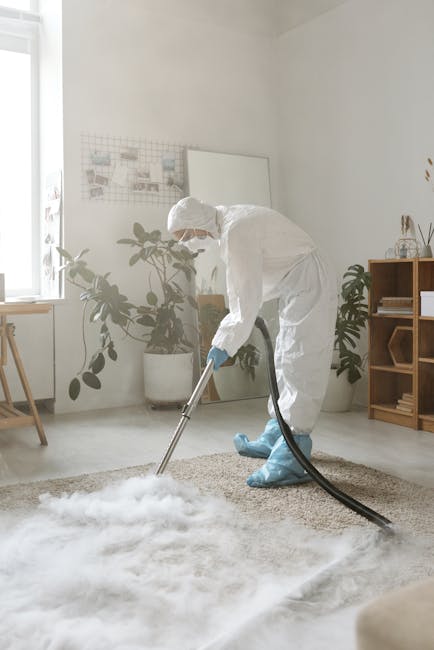
- Vacuum thoroughly to remove loose dirt before any wet cleaning starts.
- Pre-treat spots, spill marks, and heavy traffic lanes.
- Apply the chosen cleaning method with controlled moisture and the correct solution.
- Extract or remove the suspended soil and residue.
- Dry the carpet properly and groom the pile if needed.
Where homeowners sometimes trip up is thinking the visible dirt is the whole problem. It is not. Fine grit at the base of the pile acts a bit like sandpaper. You walk over it every day, and it slowly wears the fibres down. That is why proper vacuuming and periodic deep cleaning both matter.
If you are curious about deeper moisture-based cleaning, the dedicated steam carpet cleaning page is a useful companion because it explains the method that many people ask for by name.
Key Benefits and Practical Advantages
People usually think of carpet cleaning as a cosmetic job, but the real benefits are broader. A properly cleaned carpet changes how a room feels, and sometimes how long the carpet lasts. That is not marketing fluff; it is just what happens when dirt is removed instead of left to settle deeper into the pile.
- Better appearance: colours look fresher, traffic lanes look less grey, and the whole room seems more cared for.
- Improved freshness: carpets can hold smells from pets, food, damp shoes, and general living. Cleaning helps reset that.
- Longer carpet life: removing grit reduces wear on fibres.
- Spot treatment becomes easier: stains are less likely to become permanent if they are handled early.
- More comfortable living spaces: especially noticeable in bedrooms, lounges, and family rooms.
There is also a practical upside for busy households: once the carpet is genuinely clean, routine maintenance gets easier. You vacuum faster because the floor is no longer hiding layers of loose dust. And yes, that does make life feel a little less chaotic.
For homes dealing with spills, muddy prints, or drink accidents, targeted stain removal support can be a smart follow-up when the mark needs a bit more than ordinary cleaning.
Who This Is For and When It Makes Sense
This guide is for anyone in Winchmore Hill Green who wants cleaner carpets without guessing their way through the process. That includes homeowners, tenants preparing for a move, landlords maintaining a property, and small businesses that want a better-looking reception or office floor. If your carpet is still structurally fine but looks dull or feels sticky in places, cleaning usually makes far more sense than replacing it.
It also makes sense after specific life events. New baby in the house? Pets? A winter of wet shoes by the door? An office open to regular footfall? Those are all good reasons to step up your cleaning routine. In commercial settings, the logic is even stronger. First impressions matter, and a tired carpet can quietly drag down the whole feel of a space.
For landlords and businesses, you may want to compare domestic and business needs with the commercial carpet cleaning service, since higher-traffic spaces often need a slightly different approach.
Sometimes the question is not "Should I clean it?" but "How urgent is it?" If the carpet is visibly stained, smells musty, or looks flattened in walkways, it is probably overdue. If you are only dealing with light soil, a careful vacuum and targeted spot treatment may be enough for now.
Step-by-Step Guidance
Here is the most sensible way to approach carpet cleaning without turning the room into a weekend-long experiment.
1. Check the carpet fibre and condition
Start by identifying whether the carpet is wool, synthetic, or a blend. Wool is lovely, but it asks for a bit more caution. Look for loose seams, worn patches, colour loss, or previous repairs. If the carpet is fragile, low-moisture methods are often safer.
2. Vacuum properly
Vacuum more slowly than you think you need to. A quick once-over is better than nothing, but it does not pull much from the base of the pile. Go in overlapping passes, especially at edges and under furniture where dust builds up. It sounds obvious, but this is where a lot of the actual cleaning begins.
3. Treat stains before the main clean
Do not scrub aggressively. Blot, lift, and work from the outside of the stain inward. If you start rubbing, you can spread the stain or damage the fibre. For pet-related marks or lingering smells, a specialist approach is usually better than improvising with random products under the sink.
4. Use the right method
Hot water extraction is often effective for a deep clean because it lifts embedded soil and residue. Low-moisture methods can suit some carpets where fast drying is a priority. Dry compound approaches can also be useful for delicate situations. The best choice depends on material, soil level, and how quickly the room needs to be back in use.
5. Dry the carpet properly
Drying matters more than people realise. A carpet that stays damp too long can feel unpleasant and may develop odours. Open windows where practical, improve airflow, and avoid heavy foot traffic until the fibres are fully dry. To be fair, nobody enjoys tiptoeing around a room in socks, but it is worth it.
6. Finish with grooming and a final check
Once dry, brush or groom the pile where appropriate. Check for any remaining spots, uneven drying, or visible residue. If a stain reappears after drying, that can mean residue was pulled back to the surface. It happens. Annoying, but fixable.
Expert Tips for Better Results
A few small habits make a surprising difference. The first is to act early. Fresh spills are much easier to deal with than old, set-in marks. The second is to use less liquid than you think. More water is not always better. In fact, over-wetting is one of the most common reasons carpets dry badly or feel crunchy afterwards.
Another useful tip is to test any spot treatment on a hidden area first. Even a product that looks gentle can shift colour slightly on some fibres. Professionals do this for a reason. Not because they are being fussy, but because surprises on the carpet are expensive and embarrassing. Nobody wants that.
Also, think in zones. Hallways, stairs, and entry points usually need more attention than the guest bedroom. If you clean the whole home on the same schedule, you often waste effort in low-use areas and neglect the places that actually wear out. A mixed schedule is more realistic.
For homes where soft furnishings are carrying some of the same dust and odour load, pairing carpet care with upholstery cleaning can give the room a much more complete reset.
Common Mistakes to Avoid
Carpet cleaning mistakes are usually simple, which is why they happen so often. The first is scrubbing a stain too hard. That pushes the problem deeper. The second is using an oversaturated carpet shampoo or too much detergent. Residue attracts more dirt, so the carpet can look dirty again faster than it should.
Another common issue is ignoring fibre type. What works on synthetic carpet may be wrong for wool. Likewise, treating a rug like a fitted carpet can lead to over-wetting, curling edges, or colour bleed. Rugs need their own logic. They really do.
People also underestimate drying time. If the carpet feels almost dry, that does not mean the base is ready. Walking on it too soon can flatten the pile and reintroduce dirt. And then there is the classic mistake of not vacuuming before cleaning. You end up making a muddy paste. Not ideal.
- Do not scrub stains in circles.
- Do not overuse detergent.
- Do not clean delicate fibres as if they were tough synthetic ones.
- Do not skip drying time.
- Do not forget to vacuum first.
Tools, Resources and Recommendations
You do not need a van full of equipment to keep carpets in good shape, but a few right tools make life easier. A decent vacuum with strong suction is the foundation. A soft brush or carpet grooming tool can help lift the pile after drying. Clean white cloths are useful for blotting spills because they let you see what is being transferred out of the carpet.
For more intensive work, a professional carpet cleaner may use hot water extraction equipment, pre-spray solutions, spotters for specific stains, and controlled drying methods. If you are exploring what that looks like in practice, the carpet cleaning service page gives a helpful sense of the overall service structure, while pricing and quotes is the sensible next stop if you are trying to budget before booking.
For home owners who value environmentally considered routines, it can also help to think about how often cleaning is needed rather than just how strong the product is. Fewer harsh applications, done properly, often beats over-cleaning with stronger chemistry. The same goes for waste and rinse water: a more careful process is generally better all round.
If you are comparing service providers, look for clear explanations, sensible drying expectations, and straightforward communication. A company that answers practical questions well is usually easier to work with than one that promises the moon. That's just common sense.
Law, Compliance, Standards, or Best Practice
Carpet cleaning itself is not the kind of task most people think of as heavily regulated, but best practice still matters. In the UK, a professional cleaner should operate with proper insurance, sensible risk controls, and attention to health and safety. That means using equipment responsibly, managing electrical and slip risks, handling chemicals carefully, and protecting occupied homes or workplaces while work is underway.
If you are booking work in a rental property, office, or shared building, it is worth checking how access, timing, and safety are managed. You want a service that communicates clearly and respects the space. That includes taking care around furniture, floors, and nearby surfaces.
For peace of mind, it is also sensible to review the provider's policy pages where available, especially around safety and customer care. The relevant pages here include health and safety policy, insurance and safety, and terms and conditions. Those are not exciting reading, granted, but they tell you a lot about how the business operates.
Privacy and payment handling matter too, especially when you are sharing contact details or arranging appointments online. If that is important to you, the pages on privacy policy and payment and security are worth a look before you book.
Options, Methods, or Comparison Table
There is no single best carpet cleaning method for every situation. The right choice depends on fibre type, soil load, drying needs, and how sensitive the carpet is. Here is a simple comparison to make the decision less blurry.
| Method | Best for | Strengths | Watch-outs |
|---|---|---|---|
| Hot water extraction | Heavily soiled fitted carpets | Deep cleaning, strong soil removal, good for traffic lanes | Longer drying time if overused or poorly managed |
| Low-moisture cleaning | Busy homes or spaces that need quicker turnaround | Faster drying, less water used | May be less aggressive on deep embedded dirt |
| Spot and stain treatment | Isolated spills and marks | Targeted, efficient, useful between full cleans | Needs correct product choice and testing |
| Dry compound cleaning | Delicate situations or moisture-sensitive carpets | Minimal wetting, reduced drying concerns | Not always the best option for heavy soil |
For rugs, the logic changes a little again. Some need more delicate handling than fitted carpet, particularly if they are handmade, older, or have natural fibres. If that sounds like your situation, the rug cleaning page is the better reference point than a standard fitted-carpet approach.
Likewise, if a pet accident is part of the picture, specialised pet stain and odour removal support can save a lot of trial and error. Pets are lovely, but they do keep us humble.
Case Study or Real-World Example
Here is a realistic example from the kind of situation many Winchmore Hill Green households face. A family has a living room carpet that looks fine from across the room, but near the sofa and walkway it has gone dull and slightly flattened. There is a faint smell after rainy days, and one pale spill mark near the coffee table keeps catching the eye.
The first step is not to panic and buy three different cleaning sprays. The sensible move is to vacuum properly, test a mild spot treatment in a hidden area, and identify whether the stain is just surface residue or something deeper. If the carpet is synthetic and the rest of the room is in decent condition, a deeper clean can usually restore a surprising amount of freshness. If the fibres are delicate, the approach needs to be gentler.
What usually makes the biggest difference in that kind of case is not just the clean itself, but the combination of correct pre-treatment and proper drying. In practice, the room feels lighter afterwards. Less stuffy. The fabric around the floor no longer pulls the eye down. Small thing, maybe. But you notice it the moment you walk in.
That is the real value of a thoughtful carpet cleaning plan. It is not about perfection. It is about giving the home back a bit of breathing room.
Practical Checklist
Use this checklist before and after carpet cleaning to keep the process organised.
- Identify the carpet fibre and any delicate areas.
- Vacuum thoroughly, including edges and corners.
- Check for stains, odours, and traffic lanes.
- Test any product on a hidden patch first.
- Use the smallest effective amount of cleaning solution.
- Blot stains rather than scrubbing them.
- Allow enough drying time before furniture goes back.
- Ventilate the room where possible.
- Inspect the carpet once dry for any reappearing marks.
- Set a regular maintenance schedule so dirt does not build up again.
Expert summary: the best carpet cleaning results usually come from three things done well: proper vacuuming, the right method for the fibre, and disciplined drying. Miss one of those, and the result is often just okay. Nail all three, and the carpet can look far better than you expected.
Conclusion
Carpet cleaning in Winchmore Hill Green does not need to be complicated, but it does need to be thoughtful. The key is to match the method to the carpet, act early on stains, and avoid the easy mistakes that cause residue, over-wetting, or fibre damage. If you keep those basics in mind, your carpets will usually stay fresher for longer and look a lot more inviting day to day.
And if you are deciding whether to tackle the job yourself or hand it over, ask yourself one simple question: do you want a quick surface refresh, or a proper deep clean that gives the room a genuine reset? That answer usually points you in the right direction.
If you are comparing options, checking service details, or ready to book, it helps to review the relevant pages on about us, pricing and quotes, and contact us so you know exactly what to expect before moving ahead.
Get a free quote today and see how much you can save.
Frequently Asked Questions
How often should carpets be professionally cleaned?
For most homes, a professional deep clean every 12 to 18 months is a sensible starting point. High-traffic homes, pet owners, and allergy-sensitive households may benefit from more frequent cleaning. The real clue is how quickly the carpet starts to look flat or hold onto odours.
Is steam carpet cleaning safe for all carpet types?
No, not automatically. Steam or hot water extraction works well on many synthetic carpets, but delicate fibres or older carpets may need a different method. Always check the fibre type first, because the wrong approach can leave a carpet damp for too long or affect the finish.
What is the best way to remove a fresh stain?
Blot it gently with a clean cloth and work from the outside inward. Avoid rubbing, because that tends to spread the mark and push it deeper into the fibres. If needed, test a mild spot treatment on a hidden area first.
Why does my carpet look dirty again after cleaning?
This often happens when too much detergent is left behind or the carpet was over-wet and dirt wicked back up while drying. It can also happen if the carpet was not vacuumed properly before cleaning. Residue is sneaky like that.
Can carpet cleaning help with pet smells?
Yes, but only if the source of the smell is properly treated. Surface cleaning can improve things, but pet urine and odours often need more focused treatment. If pets are part of the problem, specialist odour removal is usually worth considering.
Should I move furniture before carpet cleaning?
Light furniture can often be moved easily, but heavier items should be discussed in advance. It is better to plan that properly than to drag a sofa across the carpet and damage both the floor and your back. No heroics needed.
How long does carpet take to dry?
Drying time depends on the method used, room ventilation, humidity, and carpet thickness. Some carpets dry faster than others, but it is sensible to allow several hours and avoid heavy foot traffic until the pile feels fully dry.
Is carpet cleaning worth it for older carpets?
Often, yes. Even older carpets can look brighter and feel cleaner after the right treatment, provided the fibre is still in reasonable condition. If the carpet is worn through or badly damaged, cleaning will help less, but it may still improve appearance enough to buy time.
What should I look for in a carpet cleaning provider?
Look for clear explanations, sensible safety practices, and transparent pricing. It also helps if they can explain which method they would use and why. Good providers do not hide behind vague promises.
Do I need to vacuum before the cleaners arrive?
If you can, yes. A pre-vacuum helps remove loose dirt and makes the deep clean more effective. Even if a provider vacuums on arrival, doing a quick pass beforehand is still useful.
Can carpet cleaning damage wool carpets?
It can, if the wrong products or too much moisture are used. Wool needs a gentler, more careful approach than many synthetic carpets. That is why fibre identification matters so much at the start.
How do I keep carpets cleaner for longer?
Use entrance mats, vacuum regularly, treat spills quickly, and rotate furniture if possible to spread wear more evenly. Small habits make a bigger difference than most people expect. Consistency beats panic-cleaning every time.
Where can I learn more about related home cleaning services?
If you are planning a broader refresh, it can help to look at related options such as sofa cleaning, curtain cleaning, and mattress cleaning. Matching the soft furnishings together often gives the whole room a cleaner, more settled feel.